(619) 839-0636


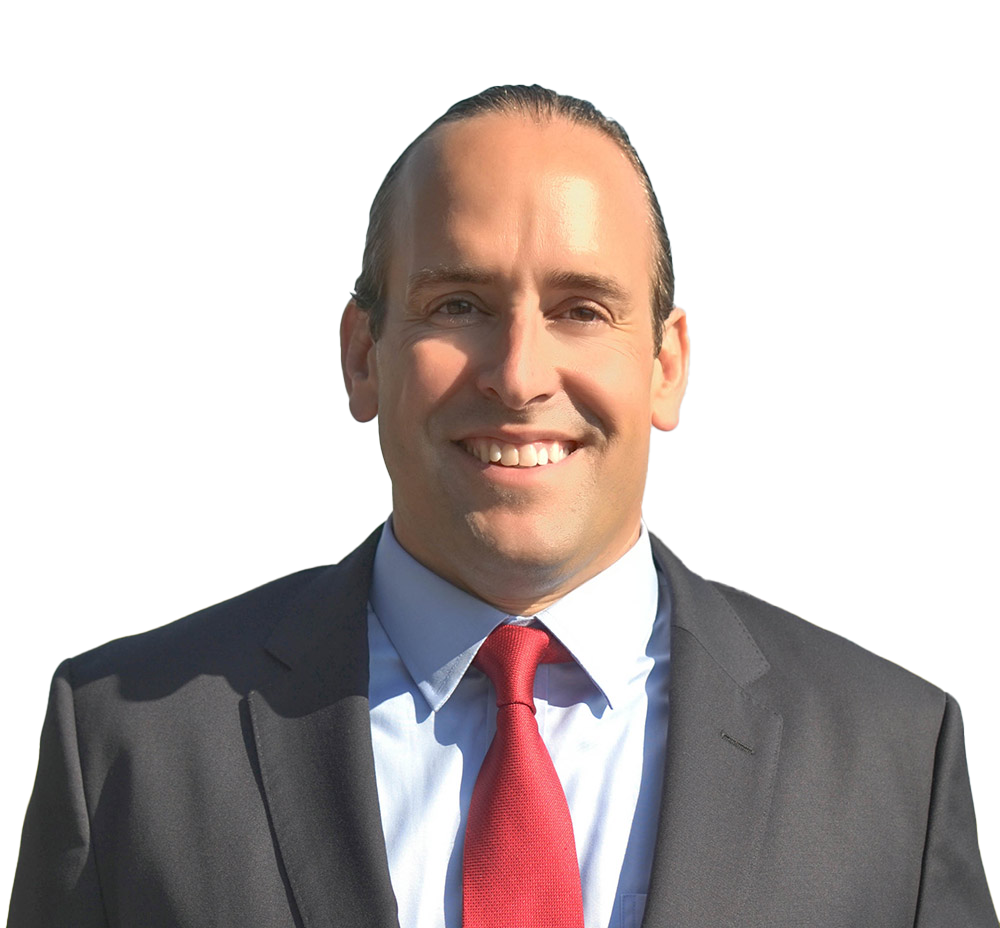
Rubin Law Office, P.C. created this resource center for people facing criminal charges in California and for the family members helping them. Attorney David Rubin spent a decade as a prosecutor in Massachusetts, and these guides reflect how cases are built by the prosecution and challenged by the defense. Each page covers one stage or topic, from the first police contact through sentencing and record relief, with links to related guides. For advice about a specific case, speak with a California criminal defense lawyer about the facts, deadlines, and options that apply to you.
Know Your Rights
The U.S. Constitution and the California Constitution limit what police can do during a stop, a search, an arrest, and an interrogation. California law adds its own protections. For example, a person who is arrested generally has the right to make at least three phone calls within three hours of arrest, and calls within the local calling area are free. Knowing these rights before police contact makes it easier to protect them during the encounter and to identify violations afterward.
- Your Rights After an Arrest in California: What happens during booking, which rights apply in custody, and what to avoid saying or signing.
- What to Do When You’re Pulled Over by Police in California: What drivers must provide during a traffic stop, what they can decline, and how stops lead to DUI and drug investigations.
- Miranda Rights Explained: When police must give Miranda warnings, what the warnings protect, and what happens when officers fail to give them.
- When Can Police Search You or Your Property in California: How warrants, consent, probable cause, and exceptions to the warrant requirement apply to people, vehicles, homes, and phones.
- Should You Talk to the Police?: Why statements made before charges are filed often become prosecution evidence, and how to invoke the right to remain silent.
Understanding the Criminal Court Process in California
California classifies offenses as infractions, misdemeanors, or felonies. Many offenses are “wobblers,” meaning the prosecutor can file them as either a misdemeanor or a felony, and the court may later reduce some felony wobblers to misdemeanors. Voter initiatives have also changed how certain offenses are charged. Proposition 47 reduced many theft offenses involving $950 or less, along with personal drug possession, to misdemeanors in 2014, and Proposition 36 increased penalties for some repeat theft and drug offenses beginning in December 2024.
In San Diego County, criminal cases are heard at the Central, North County, South County, and East County courthouses. Cases from Carlsbad and Encinitas, along with criminal cases in Oceanside, Vista, and San Marcos, are usually handled at the North County courthouse in Vista.
- How Bail Works in California: How bail schedules, bail hearings, release on your own recognizance, and bail bonds work after an arrest.
- Misdemeanor vs. Felony Charges in California: How California classifies offenses, how wobblers work, and how the classification affects penalties and records.
- What Happens at an Arraignment in California: The first court appearance, the reading of charges, entering a plea, and the timeline that follows.
- Steps in a California Criminal Case: What to Expect: An overview of each stage, from arrest and filing through pretrial hearings, resolution, and sentencing.
- What Is a Preliminary Hearing in California: How a judge decides whether a felony case has enough evidence to proceed to trial.
- California Criminal Defense FAQs: Short answers to common questions about charges, court dates, costs, and outcomes.
Building and Resolving Your Case
Most criminal cases in California are resolved without a jury trial. Resolutions can include dismissal, reduced charges, a negotiated plea, or a diversion program that ends with the charge dismissed after the person completes the program’s conditions. California judges have authority to grant diversion in many misdemeanor cases, and the state’s collaborative courts, including drug, DUI, mental health, and veterans courts, pair court supervision with treatment for qualifying defendants. Whether a case resolves through negotiation or goes to trial, the strength of the evidence and the defense’s investigation largely decide the options available.
- Assault and Battery Charges Explained in California: The difference between assault and battery under California law, common aggravating factors, and defenses such as self-defense.
- How Plea Bargains and Alternative Sentencing Work in California: How plea negotiations work, what a plea agreement includes, and alternatives to jail such as diversion, work furlough, and treatment programs.
- What to Expect at a Criminal Trial in California: Jury selection, opening statements, witness testimony, cross-examination, closing arguments, and the verdict.
- The Role of Evidence in a Criminal Case: How prosecutors use physical evidence, witness statements, and digital records, and how the defense can challenge them.
- How to Choose a California Criminal Defense Attorney: Questions to ask during a consultation and qualifications to look for in a defense lawyer.
Penalties, Records, and Life After a Case
A conviction in California can carry jail or prison time, probation, fines, and restitution. Since 2011, many felony sentences have been served in county jail rather than state prison. The consequences of a conviction can also last well beyond the sentence. A felony conviction generally ends the right to own or possess a firearm in California, and a conviction can appear on background checks for employment, housing, and professional licensing. California offers several forms of record relief, including dismissal after successful completion of probation and automatic relief for many eligible arrests and convictions, which limits what employers see on many fingerprint-based background checks.
- Understanding Criminal Sentencing in California: How judges choose a sentence, how sentencing ranges work, and how prior convictions and enhancements affect the result.
- Fines, Restitution, and Court Costs in California: The difference between fines, fees, and victim restitution, and what happens if payments are missed.
- Probation and Parole Explained in California: How probation, parole, and post-release community supervision work, and what happens after a violation.
- How a Felony Conviction Affects Your Rights in California: The effect of a felony on firearm rights, voting, jury service, immigration status, and employment.
- What to Do If You’re Falsely Accused in California: Steps to protect yourself when facing a false allegation, from preserving evidence to avoiding contact with the accuser.
Additional Criminal Defense Practice Areas
Rubin Law Office, P.C. defends people charged with a range of misdemeanor, felony, and federal offenses. The list below describes common case types and links to more information where it is available.
- DUI defense: DUI cases involve both a criminal case and a separate DMV license action, each with its own deadlines. The firm also defends DUI charges in Encinitas.
- Drug crimes: Drug charges range from simple possession to sales and transportation, and many cases turn on how police found the evidence.
- Gun crimes: California firearm laws cover possession, carrying, storage, and prohibited weapons and magazines, and many violations can be charged as felonies.
- Assault and battery: Assault and battery charges can be filed as misdemeanors or felonies depending on the injury, the weapon, and the alleged victim.
- Domestic violence: Domestic violence cases often involve criminal protective orders that take effect early in the case, and a conviction can affect firearm rights and custody matters.
- Shoplifting and theft: Theft charges depend largely on the value of the property and on the person’s prior record.
- Disorderly conduct: Disorderly conduct covers public intoxication, disturbing the peace, and related offenses that are usually charged as misdemeanors.
- Sex crimes: Sex offense charges can carry registration requirements that last long after the sentence ends.
- Juvenile cases: Cases involving minors proceed in juvenile court, which follows its own procedures and focuses on rehabilitation.
- Probation violations: An alleged violation leads to a separate hearing where the judge can modify, extend, or revoke probation.
- Misdemeanors: A misdemeanor can still bring jail time, probation, and a permanent record, and many qualify for diversion or reduction.
- Felonies: Felony cases carry the possibility of state prison or county jail and usually include a preliminary hearing before trial.
- Murder and homicide: Homicide cases require early investigation, careful review of forensic evidence, and thorough trial preparation.
- Federal crimes: Federal cases proceed in the U.S. District Court under federal sentencing rules. The firm also defends federal charges in Encinitas.
California Government and Legal Resources
The agencies below manage criminal cases, custody, and records in San Diego County and statewide.
- Superior Court of California, County of San Diego: The trial court for misdemeanor and felony cases across San Diego County.
- North County Division: The courthouse in Vista that hears most criminal cases from Carlsbad, Encinitas, and surrounding cities.
- San Diego County Sheriff’s Office: Operates the county jails and provides law enforcement in unincorporated areas and contract cities.
- Encinitas Law Enforcement: Encinitas contracts with the Sheriff’s Office for police services through the North Coastal Station.
- Carlsbad Police Department: The law enforcement agency for the City of Carlsbad.
- San Diego County District Attorney: Prosecutes felonies countywide and misdemeanors outside the City of San Diego.
- San Diego County Public Defender: Represents people charged with crimes in state court who cannot afford private counsel.
- San Diego County Probation Department: Supervises adults and youth placed on probation by the court.
- U.S. District Court for the Southern District of California: The federal trial court for San Diego and Imperial counties.
- Judicial Branch of California: The statewide court system, which includes the superior courts, the Courts of Appeal, and the California Supreme Court.
- California Department of Corrections and Rehabilitation: Operates the state prisons and supervises people released on parole.
- California Department of Justice: Maintains statewide criminal history records and runs California’s automatic record relief program.
- The State Bar of California: Licenses California attorneys and lets the public check an attorney’s license status and discipline history.
Talk to a California Criminal Defense Attorney Today
Attorney David Rubin spent ten years as a prosecutor in Massachusetts, handling hundreds of cases and dozens of trials before founding Rubin Law Office, P.C. He is licensed in California and Massachusetts, is admitted to the U.S. District Courts for the Southern District of California and the District of Massachusetts, and earned his J.D. with high honors from Suffolk University Law School. The firm defends people facing DUI charges in Carlsbad and other misdemeanor offenses. It also defends felony charges in Carlsbad, including gun offenses and homicide. The firm handles drug crime cases in Encinitas from the first court date through resolution. Federal charges proceed in the U.S. District Court, where Mr. Rubin is admitted to practice. The firm also represents clients facing criminal charges in Encinitas and throughout North County. Consultations are free. Contact Rubin Law Office, P.C. to schedule yours.
 New Clients: (619) 839-0636
 EMAIL