(619) 839-0636


If police in California want to ask you questions about a crime, the safest answer in most situations is to decline until you have spoken with a lawyer. Many people agree to an interview because they believe they have nothing to hide or can clear up a misunderstanding. In practice, statements made to police are among the most common forms of evidence in criminal cases, and they are rarely used to help the person who made them. This guide explains why, when talking may be appropriate, and how to decline questioning without creating problems.
Why Talking to Police Usually Hurts Your Case
Officers who ask for an interview are usually gathering evidence, and the conversation is often recorded. Several features of police questioning work against the person being questioned:
- Statements become evidence: Anything you say can be used to support the charges, while statements that help you are often treated as self-serving and are not admitted on your behalf.
- Small inconsistencies matter: A minor error about a time, a place, or a detail can later be presented as evidence of dishonesty.
- Officers can use deception with adults: Police are generally allowed to tell adults that a co-defendant confessed or that evidence exists when it does not, in order to encourage a statement.
- Investigations may already be decided: By the time officers ask for your side of the story, they may already have enough to seek charges and are looking for an admission.
- Explanations can create new issues: An attempt to explain one fact can provide details that link you to the offense or reveal other conduct.
Questioning Before an Arrest
Many interviews happen before any arrest, often at a home, a workplace, or a police station where the person is told they are free to leave. Because the person is not in custody, officers are not required to give Miranda warnings before these conversations. Statements made during a voluntary interview can be used in court just like statements made after an arrest.
Silence also needs to be stated out loud. Courts have held that a person who simply stays quiet during a voluntary interview, without saying they are invoking the right to remain silent, may have that silence used against them. A clear statement avoids that problem.
Protections for Young People in California
California limits how police can question minors. Since July 2024, state law prohibits threats, deception, and psychologically manipulative tactics when police conduct a custodial interrogation of a person 17 or younger. Youth in that age group must also consult with a lawyer before a custodial interrogation and before waiving their rights.
Statements to People Other Than Police
Statements made to others can be just as damaging as an interview with an officer:
- Jail phone calls: Calls from jail are generally recorded, except properly arranged calls with an attorney.
- Other inmates: People in custody sometimes share what they hear with prosecutors in exchange for leniency.
- Text messages and social media: Messages and posts about the incident can be obtained by police and used as evidence.
- Contact with the alleged victim: Reaching out to explain or apologize can be treated as an admission, and it can violate a protective order.
When Talking to Police May Be Appropriate
There are situations where speaking with police makes sense, such as providing your name when required, reporting a crime as a victim, or giving information as a witness to someone else’s conduct. Even then, a person whose own conduct could be questioned should speak with a lawyer first. When it benefits the client, a defense lawyer can communicate with investigators directly and decide whether, when, and how any information is shared.
People who believe they have been falsely accused of a crime are often the most eager to talk. A false accusation is a reason to involve a lawyer early, not a reason to give an unplanned interview.
How to Decline Questioning
Declining to answer questions is a legal right, and it can be done politely. The following steps help protect that right:
- Stay calm and respectful: Do not argue, resist, or walk away during a lawful detention.
- Provide identifying information when required: Give your name and, if driving, your license, registration, and proof of insurance.
- Say it clearly: State, “I am going to remain silent, and I want to speak with a lawyer.”
- Stop talking after you say it: Do not continue the conversation to explain or soften the request.
- Do not consent to searches: Clearly state that you do not consent, without physically interfering.
If questioning leads to an arrest, the protections described in your rights after an arrest apply from that point forward.
How Statements Affect Different Types of Cases
Statements often decide the direction of a case. Questions such as “How much have you had to drink?” are central to many DUI cases, where admissions are used alongside test results. In misdemeanor cases, a short statement at the scene can be the main evidence of intent. Federal investigations carry an added risk because making a false statement to a federal agent is a separate crime, which is why federal crime charges sometimes begin with an interview. The same concerns apply to criminal cases in Escondido and throughout North County.
Speak With a Defense Lawyer Before Any Interview
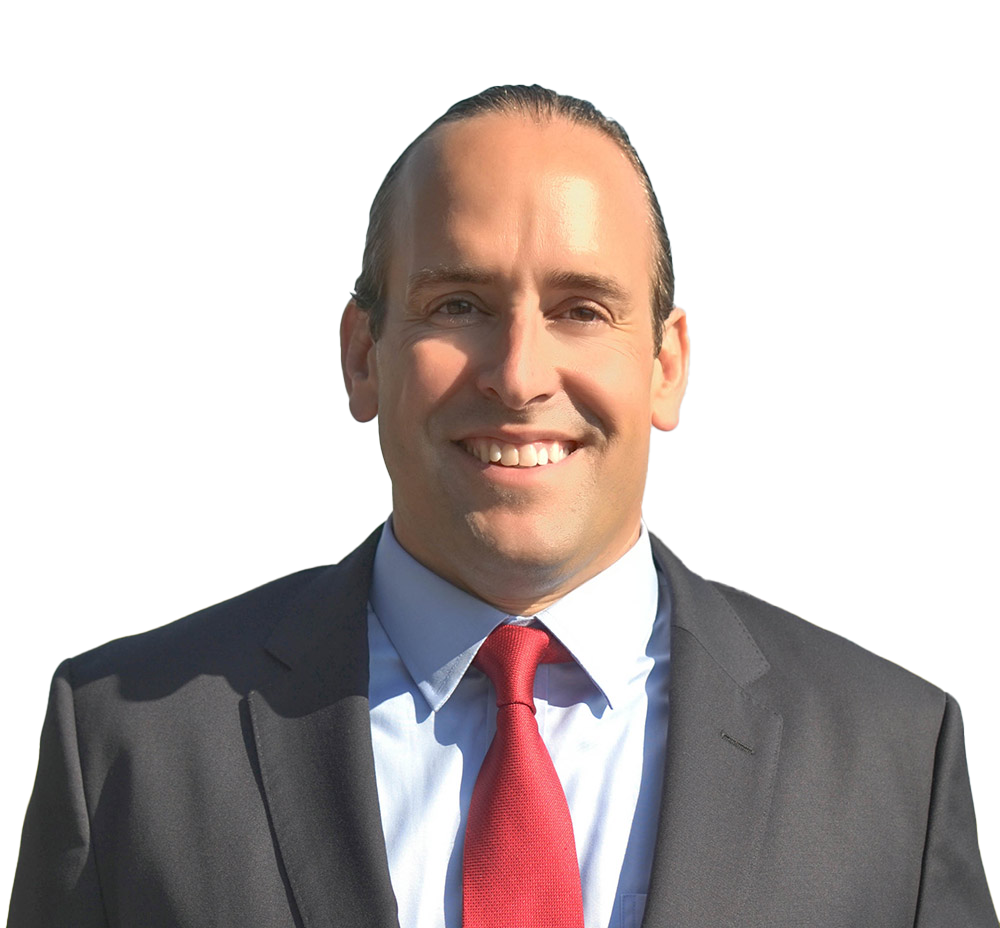
If police have asked to speak with you, or you have already given a statement, the next step is to understand how that statement may be used. Attorney David Rubin spent a decade as a prosecutor in Massachusetts, handling hundreds of cases and dozens of trials, and he understands how statements are used to build a case. Consultations are free. Contact Rubin Law Office, P.C. before agreeing to a police interview.
 New Clients: (619) 839-0636
 EMAIL