(619) 839-0636

Being injured in a car accident can be catastrophic. Not only are you in pain, but you also have to contend with medical bills, car repairs, and other expenses that are impossible to cover when you can’t work. You may not know what to do or even what your rights are, especially if you believe you may have contributed to the accident.
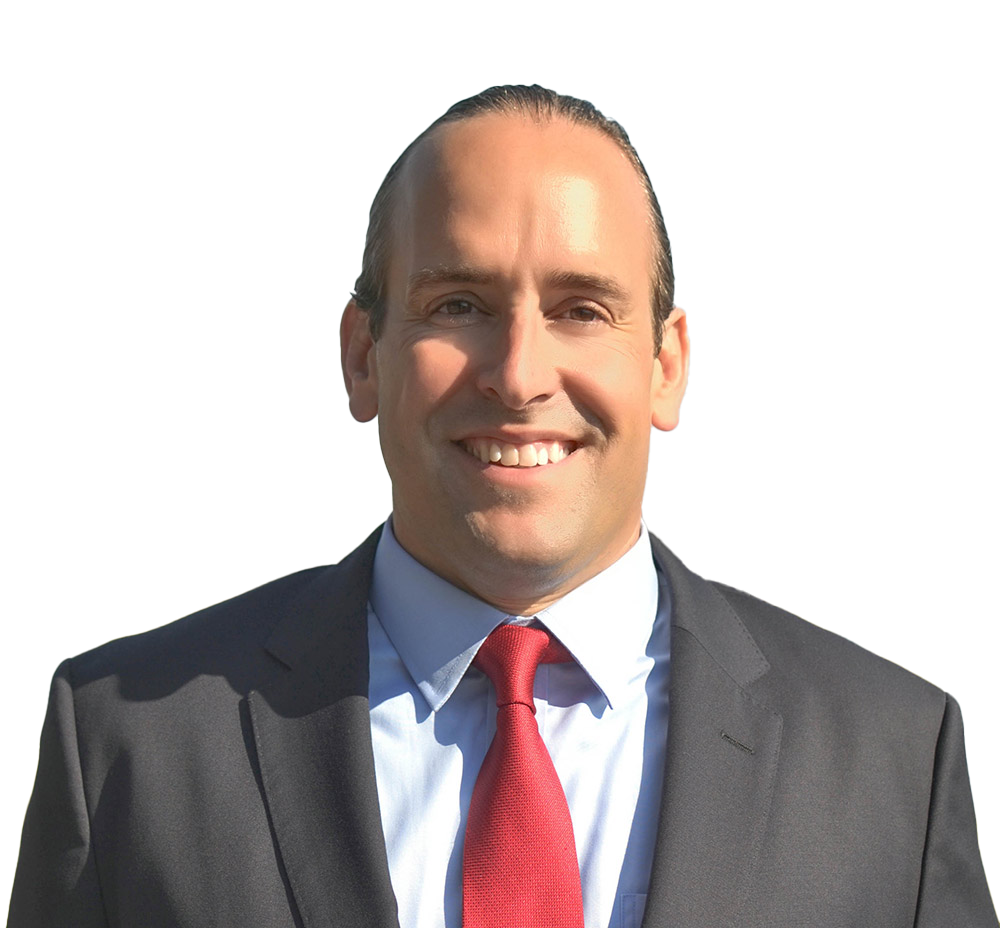
As a Carlsbad car accident lawyer, I understand how distressing this situation can be. I’ve helped many clients in situations just like yours file their claims and fight for fair compensation. Whether the accident was minor or life-changing, I am here to protect your rights and deal with the legal hurdles so you can focus on your recovery. Call me, David Rubin, at (619) 839-0636 any time, day or night, to schedule a free consultation. Together, we’ll work to get you the results you deserve.
Why Hire Me for Your Car Accident Claim in Carlsbad?
The aftermath of a car accident can feel like an uphill battle. Between dealing with medical expenses, insurance adjusters, and time off work, it’s easy to feel overwhelmed, but you don’t have to face all of this alone. Here’s why clients choose me to handle their car accident claims:
- You’re Not Just a Number: As a Carlsbad car accident lawyer, I don’t treat my clients like just another case number. When you work with me, you’ll receive one-on-one attention from the moment you reach out. I’ll personally handle your case and keep you informed: no middlemen or case managers.
- Extensive Experience With Car Accident Cases: I’ve spent years representing clients who’ve been injured in car accidents. Whether it’s a straightforward fender bender or a multi-vehicle crash, I know how to identify key factors that can make your claim stronger and lead to a better outcome.
- Strategic Negotiation: Insurance companies often come to the table with lowball offers, hoping you’ll settle quickly. I’ve negotiated with adjusters countless times and know their playbook. My strategies are intended to push for the highest settlement possible, without dragging out the process unnecessarily.
- No Out-of-Pocket Costs: You won’t pay me anything unless we win your case. This contingency fee arrangement allows you to focus on recovery without worrying about upfront legal fees.
- Thorough Case Preparation: I leave nothing to chance. From obtaining police reports and medical records to interviewing witnesses and consulting with accident reconstruction experts, I build a solid foundation for your case. If we need to take your claim to court, I’ll be ready to present a compelling argument on your behalf.
Proving Negligence in a Car Accident Case
Securing financial compensation after a car accident – whether through an insurance settlement or in court – requires proving that another driver was at fault. In legal terms, this is referred to as negligence. Demonstrating negligence involves showing that the other driver failed to meet their responsibility to act with reasonable care on the road. This is often the cornerstone of any car accident claim.
Negligence can take many forms, and some of the most common examples in car accident cases include:
- Distracted Driving: Driving distractions are a leading cause of accidents. This includes activities like texting, talking on the phone, checking social media, taking selfies, adjusting the radio, eating, drinking, or even engaging with passengers. A moment of inattention can have devastating consequences, and evidence such as phone records, witness statements, or traffic camera footage can help establish this type of negligence.
- Drowsy Driving: Exhaustion impairs a driver’s ability to make quick decisions, focus, and react to road hazards. Falling asleep at the wheel or driving after a long shift or inadequate rest are common examples. Commercial drivers and shift workers are especially prone to drowsy driving, making it essential to investigate work schedules and rest logs when relevant.
- Failing to Look or Signal: Drivers have a duty to signal lane changes and check for other vehicles before merging or turning. Neglecting these actions can lead to side-impact or rear-end collisions. Witness testimony, vehicle positioning, and surveillance footage can play a key role in proving this type of negligence.
- Failing to Stop or Yield: Running red lights, speeding through yellow lights, or ignoring stop signs and yield signs are reckless behaviors that endanger everyone on the road. These actions can result in catastrophic T-bone collisions or pedestrian accidents. Traffic camera footage or accident reconstruction reports can help prove fault in these situations.
- Impaired Driving: Operating a vehicle under the influence of alcohol, drugs, or certain prescription medications is not only negligent – it’s illegal. Evidence such as breathalyzer results, police reports, or drug test results can establish that impairment was a factor in the accident.
- Dangerous Driving: Reckless behaviors such as speeding, tailgating, weaving in and out of traffic, and failing to adjust for poor road or weather conditions are all forms of dangerous driving. Skid marks, black box data, and eyewitness reports often provide critical evidence to support these claims.
Negligence isn’t always easy to spot. Issues like vehicle defects, improper vehicle maintenance, or even poor road construction can contribute to accidents. Determining fault often requires a detailed investigation to uncover the cause of the collision. However, the longer you wait to investigate, the harder it becomes to gather evidence. Skid marks fade, witnesses forget key details, and evidence like video footage can be lost. By contacting a Carlsbad car accident lawyer right away, you increase your chances of building a strong case for compensation.
Protecting Your Right to Financial Compensation
Before you even contact an attorney, there are steps you should take to improve your chances of recovery after a car accident. These include:
- Getting Medical Attention Right Away: Always seek medical attention after an accident. Even if you think your injuries are minor and even if you think you feel fine, you should still get a doctor’s opinion. While certain types of injuries will be obvious, many traumatic injuries can only be diagnosed with medical imaging (i.e., x-ray, MRI, or CAT scan).
- Collecting Evidence at the Scene: If you are able to do so, collecting evidence at the scene of the accident can help make it easier to file a successful claim. Make sure you get the other driver’s license and insurance information, and try to take plenty of photos with your phone. If the police respond to the accident, be sure to get the police report number as well. If any witnesses stop to help, ask them for their contact information.
- Reporting the Accident to Your Insurance Company: Let your insurance company know that you were involved in an accident. When speaking to your insurance company or the police, stick to the facts and avoid making any accusations or assumptions. Do not give a recorded statement until after you have spoken to an attorney.
- Avoiding Talking to the Other Driver’s Insurer: While you should report the accident to your own insurance company, you should not say anything to the other driver’s insurer until you have spoken with a car crash attorney. You are trying to get this insurance company to pay you for your losses, but the insurance company is trying to pay as little as possible. Statements you make early on – before all the facts are known – can be used against you later in the case. Many people, even people with serious injuries, feel fine immediately after the accident, only to have pain increase in the days after the collision. A statement that you “feel fine” will be used against you when you realize you are injured days or weeks after the incident.
Compensation in a Car Accident Claim
If you’ve been injured in a car accident, the financial impact can be high. Medical bills, lost income, and repair costs quickly add up, and that’s without considering the emotional and physical toll. Fortunately, filing a car accident claim allows you to seek compensation for these losses. Understanding what you may be entitled to recover – and the factors that can influence the value of your claim – can help ensure you receive fair treatment.
Here are the primary types of compensation available in car accident claims:
- Medical Expenses: From emergency care and hospital stays to physical therapy and ongoing treatment, medical costs can skyrocket after an accident. Compensation can cover everything from surgeries and medications to specialized care, such as chiropractic or mental health services. If you need future treatment, those costs can be factored into your claim as well.
- Lost Wages and Earning Capacity: Missing work due to your injuries can leave you struggling to make ends meet. You may be entitled to recover the wages you’ve lost, as well as compensation for future earnings if your injuries affect your ability to work or require you to take a lower-paying job. Documentation like pay stubs, employer statements, and medical evaluations can support these claims.
- Pain and Suffering: The physical pain and emotional distress caused by an accident can disrupt every aspect of your life. While these damages are harder to quantify, they are an important part of your claim. Courts and insurance companies often consider the severity of your injuries, the length of recovery, and how your quality of life has been affected.
- Property Damage: Repairing or replacing your vehicle and any personal property damaged in the crash can be expensive. Compensation in a car accident claim typically includes reimbursement for these expenses, based on repair estimates or replacement value.
- Emotional Distress: Beyond physical pain, accidents often leave victims dealing with anxiety, depression, or post-traumatic stress disorder (PTSD). These emotional effects are real and compensable, particularly when supported by documentation from mental health professionals.
- Loss of Enjoyment of Life: If your injuries prevent you from participating in activities you once enjoyed, such as hobbies, exercise, or spending time with loved ones, you may be entitled to compensation for this loss. These damages are subjective but can have a profound impact on the outcome of your claim.
- Punitive Damages: In rare cases, where the at-fault driver acted with malice or took actions that approach criminal conduct, such as driving under the influence or engaging in extreme reckless behavior, you may be awarded punitive damages. These are designed to punish the responsible party and serve as a deterrent for similar actions.
The amount of compensation you can recover depends on several key factors, including:
- Severity of Injuries: The more serious your injuries, the higher your medical expenses, lost wages, and pain and suffering damages are likely to be.
- Clear Liability: If it’s evident that the other driver was at fault, your chances of recovering full compensation improve significantly. Disputes over liability can reduce settlement offers.
- Insurance Policy Limits: Compensation may be limited by the at-fault driver’s insurance policy. However, other sources of recovery, like underinsured motorist coverage, may be available.
- Evidence Quality: Strong documentation, including medical records, photos of the accident scene, and witness testimony, can significantly increase the value of your claim.
- Impact on Daily Life: If your injuries permanently affect your ability to work, care for yourself, or engage in daily activities, this can lead to higher compensation.
Maximizing your compensation calls for a thorough approach. This involves documenting your injuries, gathering proof of your financial losses, and working with experts who can assess the full extent of your damages. Insurance companies often try to minimize payouts, which is why having an experienced Carlsbad car accident lawyer in your corner is so important.
Speak with Carlsbad Car Accident Lawyer David Rubin
If you’ve been injured in a car accident in Carlsbad, San Diego County, or the surrounding areas, I’m here to help you take on the insurance companies and fight for the compensation you’re entitled to. I’ll work nonstop to hold the at-fault party accountable and help you recover the financial support you need to rebuild your life and your future. From the initial investigation to negotiating with insurers – or even taking your case to court – your well-being will be my top priority.
To discuss your case in a free and confidential consultation, call me at (619) 839-0636 today, or reach out online. I’m available 24/7, and I look forward to helping you get the outcome you need to put this difficult time behind you.
Carlsbad Car Accident FAQS
How Long Do I Have to File a Personal Injury Claim?
In California, the statute of limitations for filing a personal injury claim is generally two years from the date of the injury. This means you must initiate your lawsuit within two years, or you risk losing your right to pursue compensation in court.
However, there are exceptions that can alter this timeline:
- Claims Against Government Entities: If your claim is against a government agency (e.g., a city, county, or state department), you typically have only six months from the date of the injury to file an administrative claim. If the government denies your claim, you have six months from the denial date to file a lawsuit.
- Minors: If the injured party is a minor, and the claim is not against a government entity, the two-year statute of limitations may be extended until their 18th birthday, giving them until they turn 20 to file a claim.
To ensure you don’t miss any deadlines, it’s important to consult with a car accident attorney as soon as possible. They can evaluate the specifics of your case, account for any exceptions, and help you take timely action to protect your right to compensation.
What If I Were Partly Responsible for the Accident?
If you were partly responsible for a car accident in California, you may still be entitled to recover compensation for your losses. California follows a pure comparative negligence rule, which means that your level of fault reduces the amount of compensation you can recover, but it does not prevent you from seeking damages entirely. For example:
- If you were 20% at fault and your damages totaled $100,000, you would still be eligible to recover $80,000.
- If you were 50% at fault, you could recover half of your total damages.
- Even if you were 90% at fault, you could still recover 10% of your losses.
Insurance companies often use shared fault as a tactic to minimize or deny claims. They may try to place more blame on you to reduce their liability. Having an experienced attorney on your side ensures that your percentage of fault is calculated fairly and that you pursue the maximum compensation you’re entitled to under the law.
 New Clients: (619) 839-0636
 EMAIL
EMAIL