(619) 839-0636


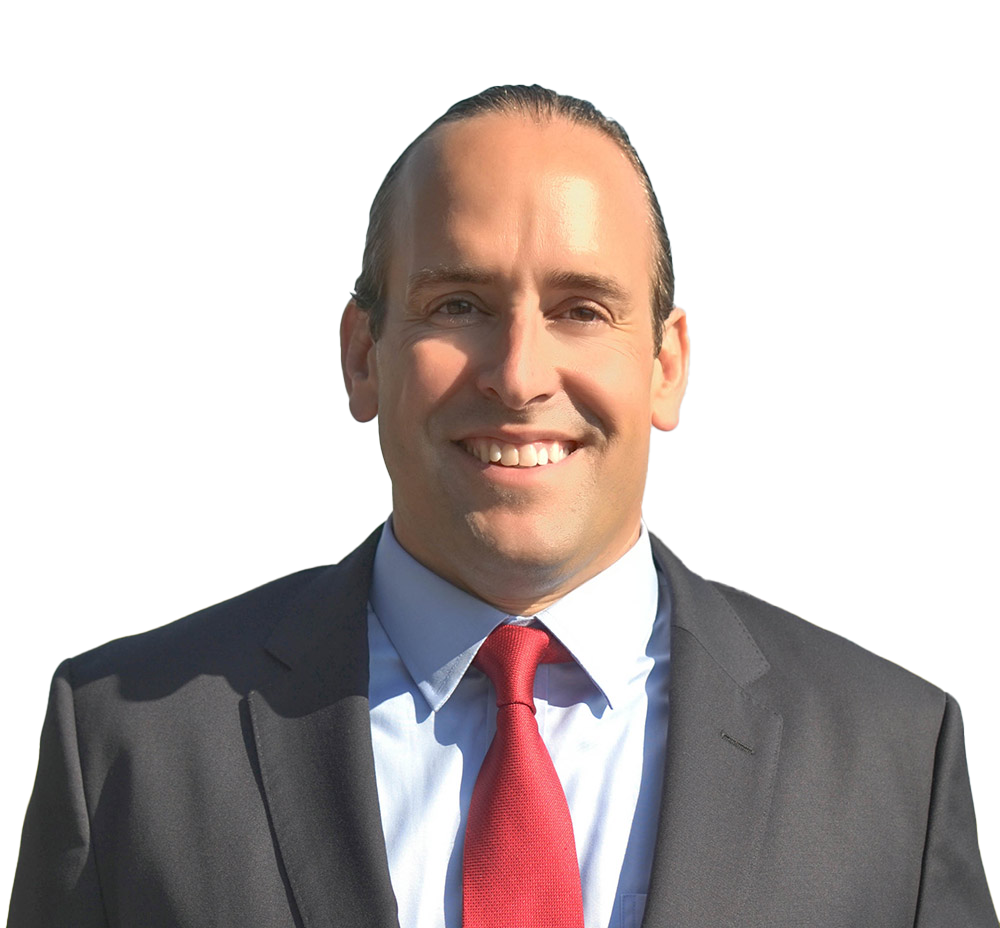
If you or a family member has been charged with a crime in California, choosing a defense attorney is one of the first and most important decisions in the case. The right lawyer can affect release, the charges filed, the plea offers available, and the outcome at trial. The decision often has to be made quickly, sometimes while a loved one is still in custody. This guide explains the qualifications that matter most in criminal cases, the questions to ask during a consultation, and the warning signs to watch for.
Why Criminal Defense Experience Matters
Criminal law has its own procedures, deadlines, and strategies that differ from other areas of practice. A lawyer who regularly handles criminal cases understands how to evaluate police reports, file suppression motions, negotiate with prosecutors, and prepare for trial. General advice about things to consider when choosing an attorney applies in criminal cases too, but a criminal charge adds factors that are specific to this area of law.
Qualifications to Look For
Several qualifications are especially important in a criminal defense lawyer:
- An active California license: Every attorney practicing in California must be licensed by the State Bar. You can check an attorney’s license status and any public discipline history before hiring anyone.
- A focus on criminal defense: A lawyer who handles criminal cases regularly is more familiar with the charges, the procedures, and the available alternatives to conviction.
- Trial experience: Prosecutors know which lawyers are prepared to take a case to trial, and that readiness often affects the plea offers available. The skills described in what to expect at a criminal trial take years of courtroom work to develop.
- Familiarity with the local courts: Each courthouse has its own procedures and calendars. In North County, most criminal cases are heard at the courthouse in Vista.
- Federal court admission when needed: Federal charges are heard in the U.S. District Court, and the lawyer must be admitted to practice there.
- Clear communication: A good defense lawyer explains the charges, the options, and the risks in plain terms and keeps the client informed as the case develops.
The Value of Prosecution Experience
Some defense lawyers previously worked as prosecutors. That background provides direct knowledge of how prosecutors evaluate evidence, decide which charges to file, and approach plea negotiations. A former prosecutor can often anticipate the prosecution’s strategy and identify weaknesses in a case from the other side’s perspective.
Questions to Ask During a Consultation
A consultation is the best opportunity to evaluate whether a lawyer is the right fit. Useful questions include:
- How many cases like mine have you handled? Experience with the specific charge matters, whether it is a DUI, a drug offense, or a violent felony.
- What are the possible outcomes in my case? A lawyer should explain the range of outcomes, from dismissal to conviction, without making promises.
- What are the strengths and weaknesses of the evidence? The answer shows how carefully the lawyer has reviewed the facts.
- Who will handle my case day to day? Some firms assign cases to associates, while others have the same attorney handle the case throughout.
- How will we communicate? Ask how quickly calls and messages are returned and how you will be updated about court dates.
- What alternatives to conviction might be available? Diversion, reduced charges, and the options described in plea bargains and alternative sentencing should be part of the discussion.
Many people also have general questions about costs, timelines, and court dates, and the answers in the California criminal defense FAQs can help prepare for a consultation.
Warning Signs to Watch For
Some signs suggest that a lawyer may not be the right choice:
- Guaranteed results: No ethical lawyer can promise a specific outcome in a criminal case.
- Pressure to decide immediately: A lawyer should give you time to consider your options, even when the case is urgent.
- Vague answers: A lawyer who cannot clearly explain the charges or the process may not have reviewed the case carefully.
- Lack of criminal experience: A lawyer who rarely handles criminal cases may miss defenses or procedural issues.
Matching the Lawyer to the Charge
Different charges call for different experience. Defending DUI charges requires familiarity with both the criminal case and the separate DMV process. Federal crime charges in Carlsbad require admission to the U.S. District Court for the Southern District of California and knowledge of federal sentencing rules. People facing criminal charges in Encinitas benefit from a lawyer who knows the North County courthouse. The same considerations apply to criminal cases in San Diego, which are heard at the Central courthouse downtown.
Schedule a Free Consultation
Rubin Law Office, P.C. offers free consultations for people facing criminal charges in San Diego County. Attorney David Rubin spent a decade as a prosecutor in Massachusetts, handling hundreds of cases and dozens of trials. He is licensed in California and Massachusetts, is admitted to the U.S. District Court for the Southern District of California, and earned his J.D. with high honors from Suffolk University Law School. Contact Rubin Law Office, P.C. to discuss your case.
 New Clients: (619) 839-0636
 EMAIL