(619) 719-1087
Key Takeaways
- DUI checkpoints in San Diego are legal but must follow certain rules, including neutral vehicle selection and clear visibility.
- You’re required to stop and provide your driver’s license at a DUI checkpoint, but you don’t have to answer questions about drinking.
- Field sobriety tests and preliminary breath tests are optional for most drivers over 21 who aren’t on DUI probation.
- You can legally avoid a checkpoint if you do so safely and without violating traffic laws.
- Mistakes like admitting to drinking, talking too much, or driving erratically can lead to further investigation.
- After an arrest, you have 10 days to request a DMV hearing, and working with a criminal defense lawyer can help you challenge the stop and protect your rights.
Table of Contents
The information on this page does not constitute legal advice. Consult an attorney for further guidance before using this information.
You’re on your way home late at night when flashing lights appear ahead on the San Diego roadway. Cones narrow the lanes, and traffic begins to slow while police officers direct each vehicle forward in an orderly line.
These situations are not rare in San Diego County. Police departments set up DUI checkpoints near bars, restaurants, and major weekend traffic routes to identify impaired drivers and discourage drinking and driving. Despite their prevalence, many drivers are caught off guard when they encounter one. In this guide, we’ll outline what happens during these stops, what your rights are, and when you should call a San Diego DUI defense lawyer.

Get answers to your legal questions. Speak with a San Diego County criminal defense lawyer about your case > (619) 719-1087
San Diego DUI Checkpoints Explained
A DUI checkpoint, also called a sobriety checkpoint, is a temporary stop set up by law enforcement to screen drivers for signs of alcohol or drug impairment. Instead of pulling over drivers based on suspicion, officers stop vehicles according to a preset pattern, such as every third or fifth car. This method allows police to check multiple drivers in a short period.
DUI checkpoints are legal under both state and federal laws, including California Vehicle Code Section 2814.2. Court rulings, like Ingersoll v. Palmer, have upheld their constitutionality as long as officers follow approved guidelines, such as stopping cars impartially, maintaining safety standards, and minimizing disruption to drivers.
These checkpoints serve two clear purposes:
- They help the police identify drivers who may be under the influence.
- They act as a visible deterrent, since the presence of a checkpoint discourages people from driving after drinking.
Unlike a typical traffic stop, where an officer pulls over a single driver for a suspected violation, a checkpoint is a controlled screening area. Drivers move through a designated lane, stop briefly, and undergo an initial check. If there are no signs of impairment, the driver is allowed to continue.
When and Where Are DUI Checkpoints Most Common?
In San Diego, DUI checkpoints are most frequently set up during times when impaired driving is more likely. This includes weekends, holidays like the Fourth of July, and major events such as concerts or sports games. Typical locations include busy streets like:
- Garnet Avenue in Pacific Beach
- Fifth Avenue in Downtown San Diego
- Stretches of El Camino Real in North County
Checkpoints are usually announced ahead of time through news outlets or law enforcement websites.
What Rules Must Police Follow at a DUI Checkpoint in California?
Law enforcement agencies in California must follow set guidelines when setting up and operating a DUI checkpoint. These rules, which arise from earlier court decisions, dictate how the police conduct stops. When a checkpoint doesn’t meet these standards, the stop may be challenged in court.
- Advance Public Notice: Police departments usually announce checkpoints ahead of time through press releases, official websites, or social media accounts. While the exact address is not always disclosed, the general area and time frame are usually shared so drivers know when a checkpoint will be in operation.
- Neutral Stopping Pattern: Officers must follow a predetermined formula when stopping vehicles. For example, they may stop every third or fifth car. This helps ensure that drivers are selected in a consistent and unbiased manner.
- Clear Visibility and Safety Measures: Checkpoints must be easy to identify as official law enforcement activity. This includes the use of marked patrol vehicles, flashing lights, cones, and warning signs to alert drivers. These measures help drivers slow down safely and understand that they are entering a checkpoint.
- Supervisory Control: A supervising officer must approve the checkpoint in advance and oversee its operation. (Field officers can’t independently decide how the checkpoint is conducted.) This oversight helps ensure that the operation follows established legal standards.
- Minimal Detention Time: Each stop must be brief unless the officer observes signs of impairment. During the initial contact, the officer may ask a few questions and look for indicators such as the smell of alcohol or slurred speech. If no concerns arise, the driver should be allowed to proceed without delay.
These rules are in place to limit how checkpoints operate and to protect drivers from arbitrary enforcement. When any of these requirements are not followed, it can create grounds to challenge the legality of the stop in a DUI case.
What Happens When You Go Through a DUI Checkpoint in San Diego?
When you approach a DUI checkpoint in San Diego, traffic is directed into a controlled lane. Officers signal drivers forward one at a time, and you’ll usually see cones, flashing lights, and marked patrol cars guiding the flow. At this point, you are required to stop when directed, even if you haven’t committed a traffic violation.
- Initial Approach: As you get closer, police officers or signs direct you into a single lane. You’ll slow down and wait your turn while other vehicles are screened ahead of you. This controlled setup makes it easier to maintain order and safety during the checkpoint.
- First Contact With an Officer: A law enforcement officer approaches your driver’s side window and may greet you and explain the purpose of the stop. You’ll be asked to provide your driver’s license and, in some cases, registration and proof of insurance. This interaction is meant to be brief.
- Observation for Signs of Impairment: While speaking with you, the officer is watching for indicators such as the smell of alcohol, red or watery eyes, slurred speech, or delayed responses. Even small details during this short exchange can influence what happens next.
- Secondary Screening Area: If the officer notices anything that raises concern, you may be directed to pull over to a separate area. This allows the police to continue screening other drivers while taking a closer look at your condition.
- Field Sobriety Tests: In the secondary area, an officer may ask you to perform physical tests, such as walking in a straight line or standing on one leg. These tests are used to assess coordination and balance.
- Preliminary Breath Test (PAS): You may be asked to blow into a handheld breath device. This test gives an estimate of your blood alcohol concentration at the scene.
- Release or Arrest: If the officer does not find signs of impairment, you will be allowed to leave. If the officer believes there is probable cause, you may be arrested and taken for further testing.
Blood Alcohol Content Limits in California
| Blood Alcohol Content Limits in California | |
|---|---|
| Driver Category | BAC Limit |
| Drivers 21 years or older | 0.08% or higher |
| Drivers under 21 years old | 0.01% or higher |
| Drivers on DUI probation | 0.01% or higher |
| Commercial drivers | 0.04% or higher |
| Drivers for hire (e.g., taxis) | 0.04% or higher |
| Source: California DMV – Alcohol and Drugs | |
What Are Your Rights at a DUI Checkpoint in California?
When you’re stopped at a DUI checkpoint in California, you’re required to comply with certain requests from law enforcement. At the same time, you still have important legal rights that limit what officers can require during the stop. Knowing the difference between what’s required and what’s optional can help you avoid unnecessary problems.
- Right To Provide Identification Only: You must present a valid driver’s license when requested. If asked, you may also need to provide registration and proof of insurance. Beyond identifying yourself and handing over those documents, you don’t have to answer questions about where you’ve been or whether you’ve consumed alcohol.
- Right To Remain Silent: You have the right to decline to answer questions that could be used against you. For example, if an officer asks whether you’ve been drinking, you don’t have to respond. You should still remain polite and avoid arguing during the stop.
- Right To Refuse Field Sobriety Tests: Field sobriety tests, such as walking in a straight line or standing on one leg, are voluntary. You can decline to perform these tests without immediate penalties. Even so, a refusal may still affect the officer’s decision about what to do next.
- Right To Refuse A Preliminary Breath Test (PAS): For most drivers age 21 or older who aren’t on DUI probation, the handheld breath test at the scene is optional. You can refuse that test without an automatic license suspension at that stage. Different rules apply to drivers under 21 and drivers who are already on DUI probation.
- Right To Leave If You’re Not Being Detained: If the officer doesn’t observe signs of impairment and doesn’t have a reason to hold you, you should be allowed to continue driving. The stop is supposed to be brief, and you don’t have to remain longer than necessary.
- Right To Legal Counsel After Arrest: If an arrest takes place, you have the right to speak with an attorney. That right applies after you’re taken into custody, not during the initial checkpoint stop.
These rights limit what officers can require from you during a checkpoint stop. When you know where those limits are, you can comply with lawful requests without giving the police extra information they can later use against you.
Can You Legally Avoid a DUI Checkpoint in San Diego?
Yes, it’s possible, but only if you do so safely and without violating traffic laws. Police can’t stop you simply because you chose not to enter a checkpoint. However, how you avoid it can draw attention if it involves unsafe or illegal driving. Here’s what you need to know.
- You’re allowed to turn onto another street before reaching a checkpoint, as long as the turn is legal. For example, making a normal right or left turn at an intersection before the checkpoint is permitted. Officers can’t stop you just for choosing a different route.
- Making an illegal U-turn, stopping abruptly, or swerving to avoid a checkpoint can give officers a valid reason to pull you over. Traffic violations create independent grounds for a stop, separate from the checkpoint itself.
- If you avoid a checkpoint in a calm and lawful way, that action alone doesn’t justify a stop. On the other hand, erratic driving, speeding, or failing to signal can lead to immediate police attention.
- In some cases, police officers monitor streets near a checkpoint for drivers who turn away. If they see a traffic violation or suspicious driving behavior, they may initiate a stop based on that conduct.
Choosing to avoid a checkpoint is allowed, but it must be done according to the rules of the road. The safest approach is to drive normally and follow all traffic laws, regardless of whether you continue through the checkpoint or take another route.
What Common Mistakes Do Drivers Make at DUI Checkpoints?
Drivers make avoidable mistakes at DUI checkpoints, many of which can lead to further questioning or arrest. Most of these errors happen during the first few moments of contact with an officer.
- Admitting To Drinking Without Being Asked: Drivers sometimes volunteer information about alcohol consumption without being directly asked. Statements like “I only had one drink” can give officers a reason to continue the investigation. Once that admission is made, the stop usually moves to the next stage.
- Talking Too Much During The Stop: Some drivers try to explain their evening or fill the silence with conversation. That extra talking can lead to inconsistent statements or observations about speech patterns. You don’t have to answer questions beyond providing identification.
- Misunderstanding Optional Tests: Many drivers believe they must perform field sobriety tests or take a handheld breath test. In most cases, these are optional for drivers over 21 who aren’t on DUI probation. Agreeing to these tests can provide evidence that may be used later.
- Driving Erratically To Avoid The Checkpoint: Sudden turns, illegal U-turns, or abrupt stops attract attention. Even if your goal is to avoid the checkpoint, unsafe driving gives officers a valid reason to stop you.
- Acting Confrontational Or Disrespectful: Arguing with an officer or refusing basic instructions can escalate the situation. While you have rights, how you communicate during the stop still affects how the interaction unfolds.
These mistakes usually happen because drivers don’t know what’s required and what isn’t. When you stay calm, limit what you say, and follow lawful instructions, you reduce the chance of the situation becoming more serious.
What Happens If You’re Arrested at a DUI Checkpoint in San Diego?
An arrest at a DUI checkpoint can lead to two separate tracks: a criminal case and a DMV action against your driver’s license, both of which begin immediately after the arrest.
- Arrest And Booking: If an officer determines there is probable cause, you’ll be placed under arrest and transported to a police station or jail. There, you’ll go through booking, which includes fingerprinting and recording personal information. You may be released later that day or held longer, depending on the situation.
- Chemical Testing Requirement: After arrest, California’s implied consent law applies. You’re required to take a chemical test, usually a breath or blood test, to measure blood alcohol concentration. Refusing this test can lead to additional penalties, including a longer license suspension.
- License Suspension And DMV Deadline: The officer will usually issue a notice of suspension and take your physical driver’s license. You then have 10 days to request a DMV hearing to challenge that suspension. If you don’t request a hearing within that time, the suspension will go into effect automatically.
- Criminal Court Proceedings: Separate from the DMV action, your case will move through the court system. This includes an arraignment, where charges are formally presented, followed by additional court dates. The outcome can include fines, DUI education programs, probation, and possible jail time.
- Vehicle Impound: In some cases, your vehicle may be towed and impounded after the arrest. You’ll need to pay towing and storage fees to retrieve it. Those costs can increase quickly if the vehicle is not picked up right away.
An arrest at a checkpoint triggers immediate consequences that continue over time. Acting quickly, especially with the DMV deadline, is critical if you want to challenge the suspension and prepare a defense.
What are the Legal and Financial Consequences of a DUI Arrest?
The legal consequences of a DUI arrest vary depending on factors like BAC level, prior offenses, and whether any accidents or injuries occurred. A first-time DUI conviction in California can lead to:
- Fines: Between $390 to $1,000, plus penalty assessments that can increase the total cost significantly.
- Increased Insurance Premiums: A DUI conviction can raise your car insurance rates significantly. On average, drivers can expect their premiums to double, costing an additional $800 to $3,000 per year.
- Probation: Typically three to five years.
- Incarceration: Up to 6 months for a first offense.
- License Suspension: Up to six months for a first offense, and longer for repeat offenders. After suspension, there are fees to reinstate your license, including filing an SR-22 form (a certificate of financial responsibility).
- DUI Education: Mandatory completion of a DUI school program, which can range from three months to over 30 months for multiple offenses. These programs can cost anywhere from $500 to $2,000, depending on length.
For second and third offenses, the penalties escalate, often including longer jail time, extended license suspension, and the installation of an ignition interlock device (IID), which prevents the car from starting if alcohol is detected on the driver’s breath. In serious cases, such as those involving accidents, felony DUI charges can be filed, leading to more severe penalties.
Socially and professionally, a DUI conviction can have long-lasting consequences. Your employer might be notified if your job requires a valid driver’s license or if you are required to report the conviction. This can lead to job loss or disciplinary action, particularly for commercial drivers, law enforcement personnel, or healthcare workers.
How Can a DUI Attorney Help After a Checkpoint Arrest in San Diego?
After a DUI checkpoint arrest, a San Diego DUI defense attorney can review how the stop and investigation were carried out. Checkpoints must follow strict guidelines, and any deviation can affect the case. When you hire legal representation, they will usually take some or all of the following steps:
- Reviewing Checkpoint Legality: A criminal defense attorney can examine how the checkpoint was set up and operated. This includes whether officers followed a neutral stopping pattern, provided proper notice, and maintained supervisory control. If any of these requirements weren’t met, it could raise questions about the validity of the stop.
- Analyzing Officer Conduct: The attorney can look at how the officer handled the interaction from the initial stop through the arrest. This includes whether the officer had a valid basis to extend the stop and request further testing. Any improper actions can be challenged in court.
- Examining Field Sobriety Tests: Field sobriety tests rely on coordination and balance, but they can be affected by factors like fatigue, medical conditions, or uneven surfaces. An attorney can review how the tests were administered and whether they were conducted properly.
- Challenging Breath And Blood Test Results: Breathalyzers must be calibrated and maintained according to strict standards. Blood tests must follow proper collection and handling procedures. If errors occur at any stage, the results may be unreliable.
- Handling DMV And Court Representation: A DUI case involves both a DMV hearing and court proceedings. An attorney can represent you in both settings, present evidence, and challenge the state’s case. This includes cross-examining witnesses and raising arguments where appropriate.
Take Control of Your DUI Case with Rubin Law Office
If you’re arrested for DUI at a checkpoint in San Diego, you should call a DUI lawyer as soon as possible. Working with Rubin Law Office, P.C. means working directly with someone who has handled both sides of criminal cases. Attorney David Rubin spent years as a prosecutor before moving into defense work, and now represents clients facing DUI and criminal charges throughout San Diego County. To schedule a consultation, call (619) 719-1087 or fill out an online contact form.
DUI Checkpoint FAQS
How Can You Avoid DUI Trouble in San Diego?
The best way to avoid DUI trouble is to plan ahead before you get behind the wheel. DUI checkpoints are common in San Diego, especially on weekends and near entertainment districts, but preparation can prevent a situation that leads to an arrest.
- Plan A Ride Before Drinking: If you expect to drink, arrange a ride in advance. Use a rideshare service, taxi, or a designated driver. Making that decision ahead of time removes uncertainty later in the night.
- Know Your Limits: Alcohol affects each person differently based on weight, tolerance, and how quickly drinks are consumed. Even if you feel fine, your blood alcohol level may still be over the legal limit. The safest choice is not to drive after drinking.
- Keep Documents Accessible: Store your license, registration, and proof of insurance in an easy-to-reach place. When you’re stopped, you can provide them without fumbling or delay. That helps keep the interaction brief.
- Stay Calm During The Stop: If you encounter a checkpoint, remain composed and follow lawful instructions. Avoid sudden movements and keep your hands visible. A calm approach helps the stop move along without added scrutiny.
- Check For Public Announcements: Police departments in San Diego frequently announce checkpoint locations in advance. Being aware of those announcements can help you plan your route ahead of time.
What Should You Do After a DUI Checkpoint Arrest in San Diego?
DUI checkpoints are a regular part of law enforcement in San Diego. When officers follow the rules, drivers are expected to comply with basic requirements during the stop. At the same time, your rights limit what the police can require and how far an investigation can go without cause.
If you’re arrested at a DUI checkpoint in San Diego, contacting a defense attorney as soon as possible is the next step. An experienced lawyer can help you address both the DMV hearing and the court case while identifying issues with how the checkpoint or arrest was handled.
Do DUI Checkpoints Have to Be Announced in Advance in San Diego?
DUI checkpoints in San Diego are normally announced in advance, but the law doesn’t require the police to publish the exact location. Law enforcement agencies usually share general details such as the city area and time frame through press releases or social media. This advance notice supports the requirement that checkpoints operate in a transparent and predictable way.
Even though announcements are common, a checkpoint isn’t automatically invalid if you didn’t see a notice beforehand. Courts look at the total setup, including visibility, signage, and how vehicles are selected, to determine if the checkpoint meets legal standards. A lack of clear notice may still be relevant, but it is only one factor among several.
Legal References:
- California Vehicle Code § 2814.2 – Sobriety Checkpoint Inspections. California Legislative Information. https://leginfo.legislature.ca.gov/faces/codes_displaySection.xhtml?lawCode=VEH§ionNum=2814.2
- Ingersoll v. Palmer – Sobriety Checkpoints Constitutional Guidelines. Stanford Law School (California Supreme Court Opinions). https://scocal.stanford.edu/opinion/ingersoll-v-palmer-30801
- California Driver Handbook – Alcohol and Drugs. California Department of Motor Vehicles. https://www.dmv.ca.gov/portal/handbook/california-driver-handbook/alcohol-and-drugs/
The information on this page does not constitute legal advice. Consult an attorney for further guidance before using this information.
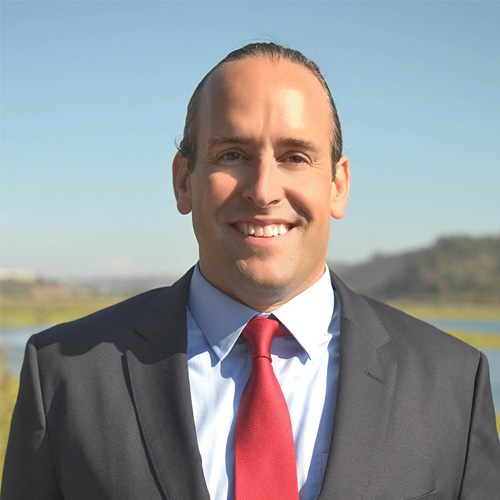
Attorney David Rubin
Attorney David Rubin is a criminal defense and personal injury lawyer based out of Carlsbad, CA. Attorney Rubin serves clients throughout San Diego County and has been practicing law for over a decade. When not working, David can be found surfing, attending CrossFit classes, or eating asado.
 (619) 719-1087
 EMAIL
EMAIL